Coping with loneliness and loss during the holiday season
By Sue Baldani
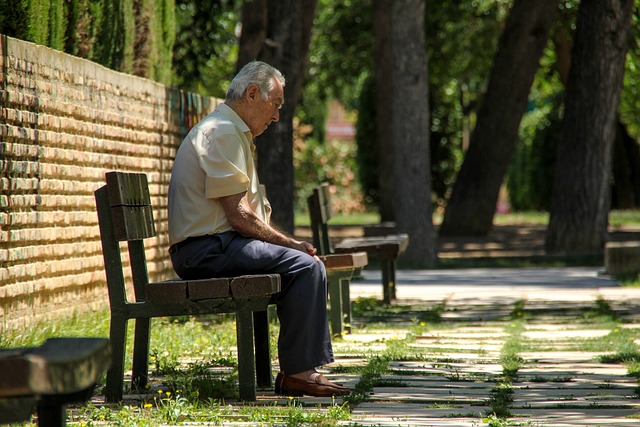
People dealing with loneliness and/or grief may find that these feelings are exacerbated during the holiday season. They may think back to holidays of the past when all their loved ones would get together to celebrate. For seniors, these feeling can be even more intense.
“It’s a combination of where they are in their lifespans and realizing that either loved ones are farther away from them or have passed and situations have changed because of aging,” says clinical psychotherapist, Rebecca Palen, who is the founder of H3 – Hope, Healing and Health with a home office in St. Clair Shores. “Maybe their spouse or their best friend can’t get around as easily as they used to. The actual aging process makes them more aware of how things used to be.”
Everyone wants that perfect Hallmark holiday, but very few get to experience it, and it’s even less likely for seniors. “There’s a study that shows Christmas is actually one of the loneliest holidays of the year, especially for grief and loss, because that’s when most families and loved ones make the biggest effort to get together,” she says.
Emotional and physical health as well as financial issues may prevent seniors from traveling to visit family and friends and the feelings of loneliness are intensified because they know everyone else is together for the holidays.
Rebecca, who has an advanced certificate on grief and loss, has some helpful suggestions for seniors to help them get through the difficult and emotional holiday season.
“Practice self-care, which is healthy eating and good sleeping,” she says. “Stay away from caffeine and alcohol and all the things that could put your mood in a more depressed state than it already is. Alcohol is actually a depressant. Shift those coping skills to be more aware of what things outside of your body can do to affect your mood and the inside of your body.”
She also recommends getting out in nature and connecting to your surroundings. “This will make you feel more engaged. Going out for a walk, visiting a senior center and getting involved with groups or activities can make you feel more connected to your community and with people, which will help decrease depression and grief.”
Staying in touch with family and friends through phone calls is also a great way to remain connected. “Social interaction is so important when you feel isolated,” says Rebecca. During COVID, many seniors became more tech-savvy and used video calls to see others when they had to keep isolated. Using Zoom, FaceTime, Skype and other technology enhances social interactions when you can’t be in the same place as your loved ones. Just being able to see the other person’s face and expressions makes it more meaningful.
One older couple often puts their laptop on their dining room table and while they eat they Zoom with a family member or friend who are also enjoying a meal. They’re having dinner with that person even though they’re not in the same room.
Another important thing, she says, is not to focus on the actual day. Just because you can’t be together on Christmas day or during Hannukah doesn’t mean you can’t get together to celebrate later on. It’s not an all-or-nothing situation.
When it comes to grieving a loss, try to connect with family members and friends who share memories of that person and can reminisce along with you. “You need to talk about the person and share and express that loss,” says Rebecca. “Unfortunately, I think when you get to a certain age, you feel like you’re a burden, so you actually keep it in.”
For men, it can be even harder to reach out. “Unfortunately, they’re still socialized to be more masculine with their feelings, and when they get older, they may have fewer connections in life than women,” she says. “So they don’t have those close friends or maybe hobbies that can give them some relief.”
If you don’t have family members or friends you can rely on, or if you would prefer to share your grief with a professional, there are many support groups for seniors. “There’s nothing wrong with getting professional support and it may actually be easier and safer because you can express yourself more honestly, and the advice you’ll get will probably be a little more neutral,” says Rebecca.
Grief is very individualized and everyone processes it a little differently. What might be right for one person may not work for another. But, it’s important to remember, she says, that everyone deals with it so you’re not alone. “Whether you’re 70 years old or 30 years old, if you’re sad, depressed or grieving, there is support out there and there’s also people who want to help you, whether that’s family members or professionals.”
Grief support groups can be found at a number of places, including some senior and community centers. They are also available at H3. Its three locations, in St. Claire Shores, in Detroit and another in Royal Oak, have a combined group of 20 therapists.
“We have an integrative approach, so we’re a hub for wellness services and specifically mental health, so we have therapy, medical management, psychological and neurological testing.” The practice also partners with people in the community or with people who are part of their team who have an integrated wellness niche too, such as chiropractors, naturopaths, and massage therapists. They’re part of its outreach to get their clients what they need.
Rebecca sees a lot of seniors in her practice, and enjoys helping them get on a positive path to mental health. “We tend to get stuck in ‘Well, I’m old and this is how it’s supposed to be,’ but it’s not,” she says.
H3Well.com
Written for Grosse Pointe Lifestyle magazine in Michigan.
 Something So Write
Great article for this time of year. To have support from family and friends helps so much.
LikeLiked by 1 person